
Resolving Incorrect Peak Temperature Measurements in Vapor Phase Profiling
Overview
An electronics manufacturer using vapor phase soldering contacted Solderstar Ltd after repeatedly recording peak product temperatures that were significantly lower than expected during thermal profiling. Because vapor phase systems operate at the fixed boiling point of the Galden fluid, the readings appeared impossible at first glance. The customer suspected a fault with the profiling equipment—yet the data suggested something more unusual was happening within the process itself.
The Challenge
Vapor phase soldering is designed to deliver highly repeatable peak temperatures, governed by the boiling point of the working fluid. When the manufacturer began seeing peak temperatures well below the expected value, several concerns emerged:
- Potential malfunction of the profiling hardware
- Possible instability in the vapor phase system
- Risk of insufficient soldering due to low peak temperatures
- Loss of confidence in process control
Initial checks focused on the profiling equipment, as the fixed‑temperature nature of vapor phase technology made the readings seem counterintuitive.
Independent Verification to Confirm the Data
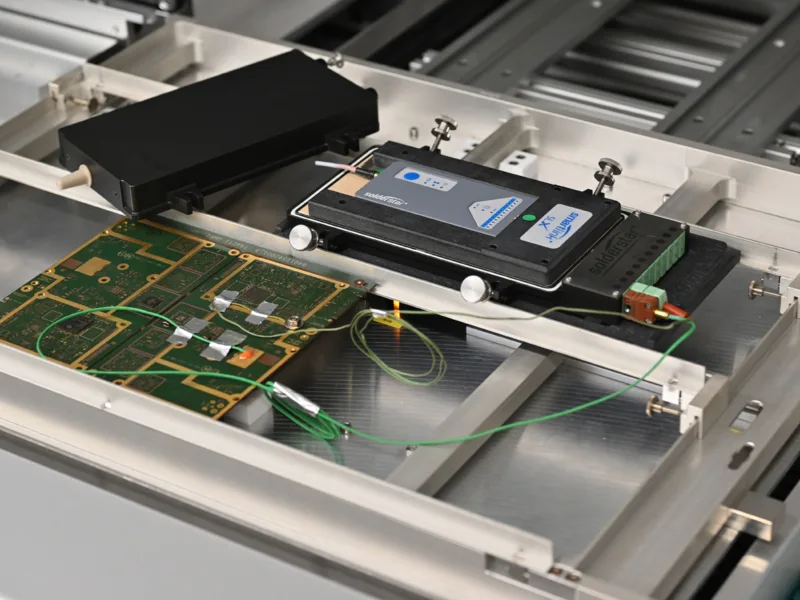
To rule out instrumentation error, the engineering team introduced a second, independent profiling system alongside the original setup. Both systems produced nearly identical temperature curves, confirming that the low peak readings were genuine and not caused by a measurement fault.
This step was critical: by validating the data through independent verification, the team could confidently shift their investigation toward the process itself rather than the tools.
Investigating the Vapor Phase Chemistry
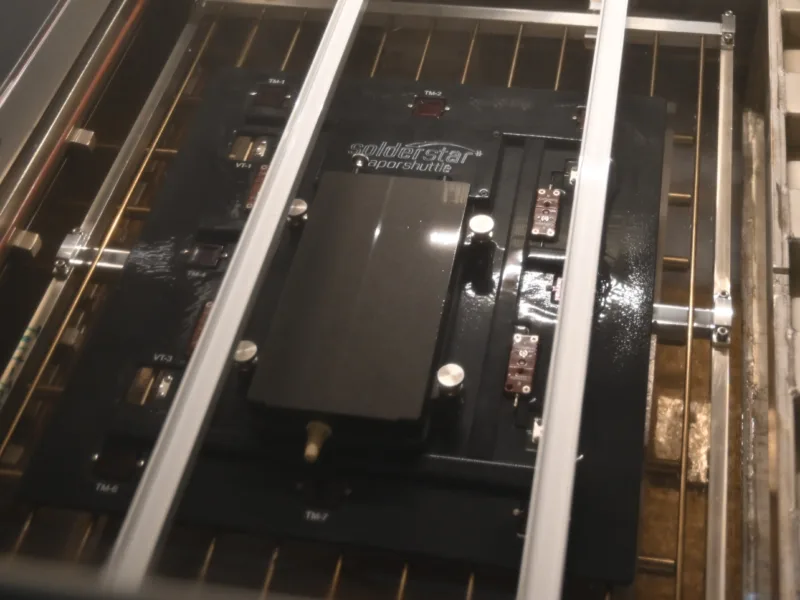
With equipment error eliminated, attention turned to the vapor phase environment. Detailed analysis of the process chemistry revealed the true root cause: the incorrect grade of Galden fluid had been supplied and loaded into the system.
Different Galden formulations have different boiling points. A supply chain mix‑up had resulted in a lower‑temperature fluid being used, which naturally limited the maximum achievable product temperature. Because vapor phase systems cannot exceed the boiling point of the fluid, the profiling results were accurate—they were simply reflecting the behaviour of the wrong material.
Corrective Action & Results
Once the incorrect Galden grade was identified, the machine was drained, cleaned, and refilled with the correct fluid specification. The line was then re‑profiled using Solderstar’s thermal profiling solutions to verify that the process had returned to its expected operating temperature. The new measurements confirmed that peak temperatures aligned precisely with the correct boiling point.
With the correct fluid restored, soldering performance immediately stabilised. Peak temperatures returned to the intended process window, wetting behaviour improved, and the manufacturer regained confidence in the consistency of the vapor phase system. The incident also prompted the customer to strengthen incoming material checks to prevent future supply chain errors.
Conclusion
This case highlights how assumptions about fixed‑temperature processes can obscure unexpected root causes. By combining independent verification with detailed thermal analysis, Solderstar Ltd helped the manufacturer uncover a rare but impactful issue—one that standard profiling alone might have misattributed to equipment failure.
The result was a rapid resolution, restored process stability, and a deeper understanding of how vapor phase chemistry influences thermal performance.
If you’d like to explore how multi‑parameter verification can help diagnose hidden process issues, you can learn more about process verification or discuss your application with our team.
